A drunk driver turns a routine drive into a moment you remember by the sound of metal folding and glass scattering. The ambulance lights wash everything in red and white, and the questions start before the tow truck arrives: Who pays? How long will I be out of work? Will the insurance company do the right thing, or am I going to be left holding the bill? A DUI crash is not a typical car accident. The law treats intoxication differently, juries see it differently, and insurers calculate the risk differently. That shift matters, especially in the first days after the collision.
I have spent enough nights visiting clients at the ER to know the earlier you bring a seasoned injury lawyer into a DUI case, the more control you have over the outcome. Evidence goes missing. Memories harden in the wrong way. And adjusters move fast to frame the story in their favor. The following is a realistic look at timing, strategy, and what to expect, written for someone who needs clarity before the calls start.
The first 72 hours are not optional
After a DUI-related car accident, the clock is not your friend. Many of the most valuable facts live in places that do not wait. The liquor store clerk who watched the driver stumble out may delete footage in a week. The bar manager might have a strict 7- or 14-day overwrite on security cameras. The breath test printout in the criminal case belongs to the state, not you, and it will not be shared unless you ask through the right channel.
A skilled accident lawyer knows to send preservation letters immediately, requesting that bars, restaurants, or event venues keep their footage and receipts. We also request the 911 call audio, police bodycam and dashcam video, dispatch logs, field sobriety notes, and the certification records for the breath machine used that night. Those are not things an insurer volunteers. They usually arrive only after a formal demand or subpoena.
Medical documentation is equally time-sensitive. The initial triage notes set the baseline for pain, mobility, and mental state. If you delay medical care because you are trying to be tough, the insurer will argue your injuries came later. An injury lawyer coordinates with your providers so your medical history tells a clear, chronological story from day one.
Why DUI changes the civil landscape
In a standard car accident, liability fights often revolve around speed, weather, and right of way. A DUI case injects intoxication and sometimes reckless indifference to safety. That changes three things that matter:
First, punitive damages become a live issue in many jurisdictions. These are damages meant to punish and deter, separate from medical bills and lost wages. Not every state allows punitive damages for DUI, and limits vary, but where they are available, they shift negotiation leverage. Insurers understand the jury reaction to drunk driving. That reaction translates into meaningful risk.
Second, multiple responsible parties might come into play. If the driver was overserved at a bar, dram shop or social host liability laws may create a cause of action against the establishment or host. These cases require fast, precise work to prove service while visibly intoxicated or in violation of statutes. Receipts, surveillance, point-of-sale records, and witness testimony at the venue can make or break the claim.
Third, the intersection with criminal proceedings creates a second pipeline of evidence, timing, and pressure. A criminal conviction for DUI can simplify the civil case on liability, but waiting for a criminal resolution is rarely wise. Civil litigation should move on its own track, gathering evidence with its own deadlines, while keeping an eye on the criminal matter for admissions, test results, and plea transcripts.
The practical answer to “When should I call?”
If alcohol is suspected and you suffered a car accident injury, call an injury lawyer as soon as you are medically stable enough to talk, ideally within the first 24 to 72 hours. Waiting weeks can cost you the bar footage, the eyewitness who leaves town, or the chance to document a bruising pattern before it fades.
There is a second timing layer that people overlook: the statute of limitations. Most states give two or three years for bodily injury claims, some shorter for claims against government entities, and some longer in rare circumstances. A dram shop claim can have a shorter window and special notice requirements. You do not want to discover a 180-day notice rule after month seven.
I know clients hesitate because they do not want to “lawyer up” too soon. Politeness is a virtue in life, not in insurance claims. An early call does not mean filing a lawsuit that day. It means securing the facts while they are fresh, then choosing the right pace.
Triage for the real world: what to do after the crash
You can think of the first steps as proof, protection, and posture. Proof is evidence, protection is medical care and avoiding avoidable mistakes, and posture is best motorcycle accident lawyer how you position yourself with insurers and the other side.
- Proof: Photograph the scene, the vehicles, skid marks, the other driver’s condition if safe to do so, and any visible injuries. Save clothing with blood or glass for potential forensic use. Get names and numbers for every witness, including bartenders or servers if you saw the driver leave a venue. Ask someone you trust to canvass nearby businesses for cameras and request that they hold footage. Protection: See a doctor immediately, even if you can walk it off. The adrenaline haze fools people. If something feels off the next morning, return and get it documented. Follow up with specialists your primary care physician or ER recommends. Posture: Do not give a recorded statement to any insurance company before speaking with counsel. Provide the basic facts of the crash to your own insurer to protect coverage, but keep it factual and brief. Do not post about the accident on social media.
Why the first call to an insurer can be risky
Adjusters are trained to sound warm and helpful. That tone lowers defenses and encourages casual remarks that later become Exhibit A. “I’m feeling better today” turns into “injuries were minor.” “I didn’t see him” morphs into you admitting fault. A car accident lawyer hears the same phrases reappear in transcripts. They appear because people are human and nervous, and because adjusters design questions to elicit them.
There is nothing dishonest about declining a recorded statement until you have counsel. It is discipline. Your injury lawyer will provide a clear, consistent account after reviewing available reports and medical records, which keeps the focus where it belongs.
Inside the evidence: what matters and why
Police reports carry weight but they are not the finish line. They can contain errors, and they rarely include the additional context a civil case needs. In DUI cases, we track several categories of proof carefully.
Breath or blood evidence requires chain of custody. Machines need calibration logs. Blood draws require proper collection and storage. Field sobriety tests are subjective, and bodycam footage gives the trier of fact a window into the driver’s behavior and the officer’s instructions. If a test was refused, that fact has value in some jurisdictions and less in others, but it always affects strategy.
Venue evidence in a dram shop angle includes receipts that show the number of drinks, timestamps, whether shots were comped, and whether the driver was part of a tab that suggests shared consumption. Cameras tell you what a bartender was able to see and how the driver presented upon service. Staff training manuals and alcohol service policies can hint at systemic problems.
Vehicle data can help. Many newer cars log speed, braking, and seatbelt status. Some systems record throttle position and impact events. Paired with reconstruction work, these details remove guesswork about whether the drunk driver braked or ever saw you.
Medical evidence needs to be tight and layered. ER records, imaging, surgical notes, physical therapy logs, and pain management plans all contribute. So does lost wage documentation, which often comes in the form of W-2s, pay stubs, timesheets, or letters from an employer. A polished demand package ties these documents together with a narrative that makes sense to someone reading it cold.
The financial arc: what compensation typically covers
Compensation in a DUI-related injury claim usually includes medical expenses, lost wages, loss of future earning capacity where injuries linger, and pain and suffering. Property damage gets resolved on a separate track, often faster. In a severe case, life care plans cost out future medical needs with surprising precision: home modifications, anticipated surgeries, medication regimes, even replacement wheelchairs every five to seven years.
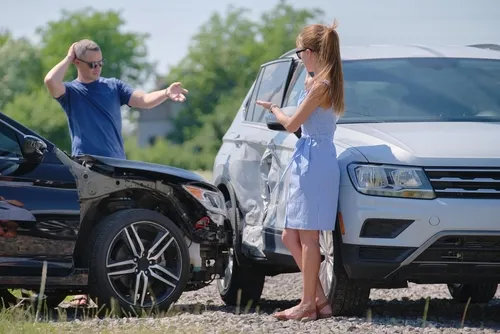
Punitive damages, when available, come with a different proof burden and sometimes a separate phase at trial. Insurers respond to that risk in negotiations, but they also study your lawyer. If the carrier believes your accident lawyer will settle at a discount rather than prepare for trial, they price the case accordingly. The reverse is true as well.
Edge cases worth planning for
Not every DUI driver is a stranger in a sedan. Sometimes the driver is on the job. That can bring a company’s commercial policy into the picture, which changes available limits and increases scrutiny of hiring, training, and supervision. If the vehicle is a rideshare car, the coverage level can change minute to minute depending on whether the app was on and whether a ride was in progress.
In multi-car pileups, intoxication can be one factor among several. You might be dealing with comparative fault rules that reduce your recovery if you share some blame. In those states, careful reconstruction and witness management matter even more, because the difference between 10 percent and 40 percent fault can move a settlement by six figures.
Uninsured or underinsured motorists complicate things when the drunk driver carries minimal coverage. Your own UM/UIM policy might be the safety net. It deserves the same caution as a third-party claim, because your insurer becomes your adversary for that portion of the claim. Statements and authorizations should be routed with the same discipline.
When a lawyer is non-negotiable
There are circumstances where the risk profile is too high to go it alone.
- You suffered a fracture, surgery, head injury, or any condition expected to last longer than a month. The police suspected DUI, but there is no test result yet and the narrative is messy. Multiple parties or a business may share liability, such as a bar, a restaurant, or an employer. An insurer is pressing for a quick settlement and medical authorization broad enough to sweep in your entire history. A loved one was killed, or you are facing permanent disability.
These situations call for legal horsepower early. The goal is not aggression for its own sake, but control of the case architecture from the start.
What the first meeting should accomplish
A good injury lawyer will start with quiet listening. How the crash happened, what you felt, what the doctors said, what you do for work, and how your day-to-day changed. Then the lawyer will set out a plan. Expect clear steps: which records to request, what to say and not say to insurers, when to return to your doctors, and how expenses will be handled in the interim.
Fee structure matters. Most car accident lawyers work on contingency. The percentage may slide depending on whether the case settles before litigation, after filing suit, or at trial. Ask about costs as distinct from fees: filing fees, expert witnesses, medical record charges, court reporters. Ask how costs are approved and whether they are deducted before or after the fee percentage is calculated. Sophisticated clients keep an eye on the net, not just the headline number.
How criminal and civil cases talk to each other
The criminal DUI case runs on a parallel track. A guilty plea or conviction simplifies certain elements, but you should not wait for it to finish before you build your civil case. There are discovery tools unique to civil practice that do not exist in criminal court, and vice versa. Your lawyer should coordinate to secure test results, plea allocutions, and sentencing transcripts. If the defendant’s attorney fights disclosure, a civil court can compel production through subpoenas and motions to compel, but those tools work best when you start early.
It is also smart to consider restitution orders from the criminal case. In some jurisdictions, a criminal court may order the defendant to pay restitution to victims. That amount often covers only a portion of actual damages and does not include pain and suffering, but it is still money on the table. Your injury lawyer tracks both accounts and ensures one does not jeopardize the other.
Negotiation posture with DUI in the background
Insurers value claims on data and experience. In a DUI crash, the threat of a jury’s moral outrage influences that valuation. But you do not get the benefit automatically. You earn it with clean liability proof, tightly documented damages, and a credible trial posture.
A strong demand package reads like a concise, curated story, not a data dump. It leads with liability, shows the intoxication evidence, then anchors damages with numbers that make sense. Pictures of bruising and surgical hardware do more than adjectives. Medical timelines should line up with billing. When a carrier responds with a lowball offer, a lawyer with a trial record has room to say no and mean it.
The human side: pain that does not fit on a ledger
There is an ordinary kind of pain that most people accept as part of life. Then there is the kind of pain a drunk driver causes, which comes with anger and a sense of injustice that can be hard to voice in a claim. Juries understand that difference. So do judges. The law reflects it in punitive damages and, sometimes, in higher general damages.
Your job is to be honest with your providers, attend treatment, and keep a simple log of limitations: how long you can stand before the back spasms, how far you can turn your neck, how many hours of sleep you lost last week, how many tasks at work you passed to someone else. These details are not drama. They are evidence, and they help your accident lawyer translate your loss into a form the other side cannot ignore.
Settlements, trials, and what luxury looks like in legal service
Luxury, in the legal world, is not chrome and glass and a conference room espresso machine. It is attention. It is unhurried meetings where you never feel like the last appointment squeezed into a busy day. It is a demand letter that reads as if someone studied your life before they asked anyone for a dollar. It is calls returned, options laid out plainly, and surprises reduced to almost none.
When to settle Auto Accident versus when to file suit is not a moral question. It is math blended with risk tolerance. If liability is clean, the driver’s policy is limited, and your damages exceed it, an early tender may be the smartest move. If a bar or employer stands behind the driver and the facts are strong, litigation can lift the ceiling. A trial is not a failure of negotiation. It is one of the tools. The best car accident lawyer knows how to keep every tool sharp and chooses deliberately.
Frequently asked timing questions, answered plainly
How fast can a case settle? In simple policy-limit situations with clear DUI liability and documented injuries, 60 to 120 days is possible once treatment stabilizes. Add a dram shop defendant or serious injuries requiring ongoing care, and a year or more is common. Patience here buys accuracy.
Should I wait until I finish treatment before calling a lawyer? No. Call early. You can always wait to make a demand until you reach maximum medical improvement, but evidence cannot wait.
What if the drunk driver is a friend or family member? It feels uncomfortable to pursue a claim. Remember you are making a claim against an insurance policy, not personally draining a bank account. You have medical bills either way. A careful injury lawyer handles these cases with discretion.
What if I feel fine? Get checked anyway. Concussions, whiplash, and internal injuries are notorious for delayed symptoms. Early records protect you if symptoms bloom later.
The bottom line on timing
Call as soon as you suspect intoxication played a role, as soon as you can think clearly, and as soon as you have a phone and ten quiet minutes. The first week after a DUI-related crash sets a tone you cannot easily change later. A seasoned injury lawyer does not just react to what happened. They sculpt the record, guard your credibility, and widen the path to full compensation.
Your health comes first. Your case starts right behind it. With the right help, you handle both.